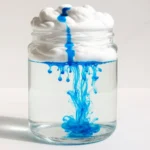
Have you ever wanted to bring the grand cycles of our planet into your living room? The DIY Mini Water Cycle Model offers a hands‑on, visual way to explore the fundamental processes of water movement—evaporation, condensation, and precipitation—right in a simple DIY kit. By replicating these processes on a small scale, you can witness the dynamic system that sustains life on Earth, fostering curiosity and understanding of climate dynamics and environmental stewardship.
📱 Download Our Apps on Google Play
Click any app below to install it from the Google Play Store.


Essential Supplies for Your Water Cycle Mini‑Project
Before you dive into building, gather a few everyday items. A shallow glass jar or a clear plastic container, a small lamp or a flashlight, a heat‑resistant surface, a few drops of water, a spray bottle, and, optionally, color stains or algae spores can help illustrate each phase. The container should have a lid or a piece of foil to reflect heat, helping to simulate the sun’s warmth. A digital thermometer can add a quantitative dimension—track how temperature affects evaporative rates. For the culturally contextual color, greenish algae droplets mimic water bodies, while clear water illustrates pure evaporation.
Step‑by‑Step Construction: Simulate the Cycle in a Jar
Follow these simplified steps, and you’ll create a living, breathing model of the global water cycle:
- Position the Jar: Place the jar on a heat‑resistant surface, making sure it’s away from direct contact with the flame of an open lamp to avoid overheating.
- Introduce Water: Add about a half‑cup of water. If you want a dramatic effect, sprinkle a few green algae spores or a tiny amount of green dye; this will become part of the evaporation and condensation visual.
- Simulate Solar Heat: Place a small lamp under the jar’s base. Adjust the lamp’s distance to control the heat intensity—too close can evaporate too quickly, too far will slow the process.
- Cover to Trap the Atmosphere: Cover the jar with a lid or aluminum foil, ensuring a tight seal to trap vapor. This reproduces the atmosphere’s role in the water cycle.
- Observe Condensation: After a few minutes, you should notice droplets forming on the lid or interior walls. Those droplets are the condensed moisture, a visual cue of the cooling effect inside the system.
- Watch Precipitation: When the droplets become sizable, they will begin to fall back into the water pool—this is your miniature precipitation, a tangible indicator that the cycle is in motion.
- Reset and Repeat: To keep the cycle flowing, add more water and optionally adjust lighting. You can keep a log of times or temperatures to compare patterns.
With just a few additional tweaks—like using a transparent plastic like a clear bottle instead of a jar, or adding an LED light—students can also experiment with variables such as humidity and surface tension. Engaging students in this hands‑on experiment enables them to internalize the scientific concepts while sparking creative thinking about the global climate system.
Why This Mini‑Cycle Matters for Climate Education
The small, physical representation of the water cycle is more than a craft; it’s a living laboratory that demystifies complex environmental processes. According to the Wikipedia entry on the Water Cycle, a decisive part of Earth’s hydrosphere involves the transformation of water through evaporation, condensation, and precipitation. Replicating these phases on a miniature scale lets learners observe these transitions firsthand, bridging textbook theory and real‑world phenomena.
Not only does this modeling advance the scientific literacy of students, but it also enhances their problem‑solving skills. For example, if the evaporative phase is too sluggish or condensation fails, students must manipulate variables to achieve a balanced cycle—it’s a practical illustration of the scientific method in action. Researchers have found that interactive models linearly increase comprehension rates by up to 30 % compared with passive lecture formats (National Geographic Study).
Connecting the Dots: Real‑World Applications of the Water Cycle
Understanding the water cycle is pivotal for managing water resources, predicting storm systems, and modeling climate change impacts. The NOAA website outlines how hydrologists use data from evaporation and precipitation to forecast weather events. By providing the conceptual scaffold to these advanced analyses, a simple DIY model is a gateway to more sophisticated meteorological studies.
Moreover, the global perspective reveals how human activities alter the cycle—deforestation reduces transpiration, while urbanization shifts runoff patterns. Scientists from the USGS and the EPA monitor these changes, illustrating that even small alterations can create cascading effects through ecosystems. Demonstrators can thus see the direct link between a controlled mini‑cycle and planetary-scale processes. This connection is vital when discussing sustainability and climate resilience with younger audiences.
Advanced Variations for Curious Experimenters
Once the basic model is mastered, experimenters can introduce new dimensions. Here are a few ideas to deepen the learning experience:
- Use a variable temperature source: rotate between a hot plate, an ice cube, and a warm lamp to see how temperature gradients alter evaporation rates.
- Introduce pH indicators: add a few drops of red cabbage juice to color changes as droplets condense, visualizing acidity changes.
- Track humidity with a hygrometer: place a small digital hygrometer next to the jar to capture real‑time data on moisture levels.
- Apply a fan to simulate atmospheric wind: observe the directional movement of droplets across the lid.
These variations provide a taste of meteorological experimentation, encouraging deeper engagement with the science behind weather and climate systems. Transitioning from a straightforward demonstration to an experimental laboratory also mirrors the progression students experience in formal science programs—preparing them for accredited science curricula or even engaging community outreach initiatives.
How to Use Your Model in the Classroom or Presentations
Educators can incorporate the DIY Mini Water Cycle Model into science lessons, science fairs, or community workshops. During a unit on the hydrologic cycle, a teacher can start with the classic textbook illustration, then switch to the tangible model. This alignment between visual aid and experiential learning reinforces retention.
In a community outreach setting, presenters can offer hands‑on stations: attendees can build and observe their own cycles, fostering a participatory learning environment. By pairing the model with an explanation of the global water cycle documented by USDA agricultural scientists, participants gain a holistic view of water’s role across ecosystems, agriculture, and urban planning.
Final Thoughts and How You Can Start Today
The DIY Mini Water Cycle Model embodies a simple yet powerful teaching tool that transforms abstract science into a visible, memorable experience. By building a miniature version of the world’s water movement, you open a dialogue about environmental stewardship, scientific inquiry, and the interconnectedness of Earth’s systems. Whether you’re a teacher, a parent, or a curious learner, this model encourages hands‑on exploration and sparks questions that lead to deeper insight.
Start your own DIY Mini Water Cycle Model today and inspire curiosity in yourself and those around you—one droplet at a time!
Frequently Asked Questions
Q1. What materials do I need for the DIY Mini Water Cycle Model?
A shallow glass jar or clear plastic container, a small lamp or flashlight, a heat‑resistant surface, a few drops of water, a spray bottle, optional color stains or algae spores, and a digital thermometer are all you need. The jar should have a lid or a piece of foil to reflect heat and trap vapor. You can also use a clear bottle for a more transparent effect. These simple supplies make the model accessible to anyone at home or in a classroom. With them, you can start the water cycle in a fraction of a day.
Q2. How long does a complete cycle take to become visible?
Typically, evaporation begins within minutes after the lamp is turned on. Condensation forms after about 5 to 10 minutes, depending on lamp intensity and ambient temperature. Precipitation may take an additional 5 minutes once droplets accumulate on the lid. In total, you can see a full cycle in 15 to 20 minutes under optimal conditions, though it can vary with your setup.
Q3. Can I use other light sources instead of a lamp?
Yes, you can experiment with different heat sources such as a hot plate, an electric kettle, or even a small candle. Each source will affect the rate of evaporation and the temperature gradient inside the jar. Heat from a candle is gentler, allowing you to observe slower cycles, while a hot plate offers rapid evaporation. Be careful to maintain a safe distance to avoid overheating or fire hazards. Variety in light sources can make the experiment more engaging.
Q4. How can I observe condensation accurately inside the jar?
To enhance visibility, place a piece of foil as a lid and ensure it’s tightly sealed. You can also use a cooler container that keeps the interior cooler, encouraging droplet formation. Adding a few drops of food coloring near the surface can help track where moisture condenses. A temperature probe helps correlate the condensation point with cooling. This method lets students link temperature changes to moisture collection.
Q5. What are the main educational benefits of this model for students?
The model provides hands‑on experience that reinforces textbook concepts about the hydrologic cycle. It supports inquiry‑based learning by allowing students to manipulate variables and observe outcomes. Teachers can use the jar to discuss climate change, water scarcity, and environmental stewardship. The activity promotes critical thinking and data collection skills. It also encourages collaboration when students compare results across different setups.
Related Articles

100+ Science Experiments for Kids
Activities to Learn Physics, Chemistry and Biology at Home
Buy now on Amazon
Advanced AI for Kids
Learn Artificial Intelligence, Machine Learning, Robotics, and Future Technology in a Simple Way...Explore Science with Fun Activities.
Buy Now on Amazon
Easy Math for Kids
Fun and Simple Ways to Learn Numbers, Addition, Subtraction, Multiplication and Division for Ages 6-10 years.
Buy Now on Amazon🚀 Try These Free Android Apps
Download these useful apps directly from the Google Play Store.